Home / Spotting Early Signs of Gate Fatigue
Spotting Early Signs of Gate Fatigue
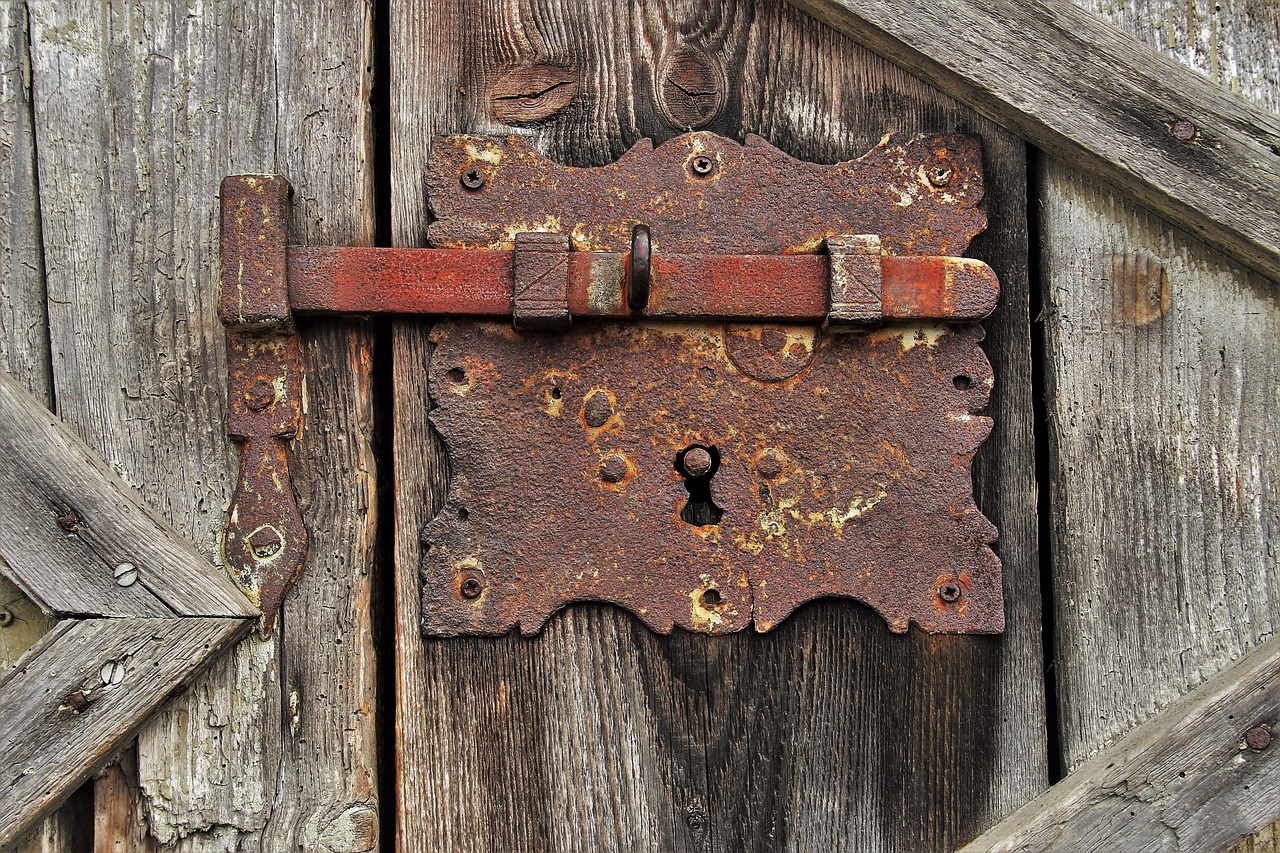
Gate fatigue shows up as hairline cracks at welds, bolts that keep loosening, rust weeping from a joint and a gate that sounds different when it moves. Catching those signs early turns a possible collapse into a small repair, since metal that is repeatedly flexed fails gradually, then suddenly.
What fatigue means
Fatigue is damage that builds when a part is loaded and unloaded again and again. Each swing of a gate flexes the frame slightly, and each gust pushes it. A single load is harmless, yet millions of tiny cycles can start a crack at a weak spot and grow it until the section tears.
The cracks begin where stress concentrates: weld toes, sharp corners, holes and places where a thick part joins a thin one. That is why a gate may look fine overall while a crack grows quietly at a hinge weld.
Cracks at welds
The most serious early sign is a thin line along or beside a weld. It may be hard to see under paint, so a flashlight held at a shallow angle across the surface helps. Rust stains that seep from a seam, or a line where the paint has split, often mark a crack beneath.
The hinge area deserves the closest look. A hinge welded to a thin tube wall concentrates load on a small area, and cracks tend to start at the ends of the weld. Corners of the frame and the junctions where a brace meets a rail are the next places to examine.
Any crack that can be seen should be marked and watched. A small pencil line at each end shows whether it grows. A growing crack means repair, not observation.
Loose bolts and fasteners
Bolts that keep working loose signal movement that should not exist. Vibration and flexing loosen threads, and a bolt that has lost tension no longer clamps the joint. The joint then slides slightly, which wears the hole into an oval and makes things worse.
A bolt that needs tightening more than once a season points to a deeper cause, such as a post that moves or a hinge that is undersized. Thread-locking compound or lock washers help, but they treat the symptom. Finding the source of the motion is the real fix.
- Shiny rubbed marks around a bolt head
- Elongated holes or a bolt that rattles
- Missing washers or nuts found on the ground
- Bolts of different sizes added as quick repairs
Changes in sound and feel
A gate tells its owner a lot through sound. A new squeak, a knock at the end of the swing, a groan under load or a scraping noise are all worth attention. Knocking often indicates play in a hinge or a loose latch. Grinding may mean a worn bearing or a dry pin. A ringing or buzzing sound under wind may mean a loose panel or a cracked weld that opens and closes with the gust.
Feel matters as well. A gate that once swung freely and now needs a push, one that drifts closed by itself, or one that sags a little more each month has changed in a way that should be investigated.
Rust and its message
Rust at a scratch is cosmetic. Rust that appears in the same spot repeatedly, especially around a joint, often reveals a gap that holds water. Brown streaks running from a seam suggest moisture has found a path into the tube. Over time, trapped water rots the frame from the inside, thinning the wall until it buckles.
Pitting, flaking layers and a swollen look in the metal point to serious corrosion. At that stage, a patch may not be enough, and cutting out and replacing a section can be necessary.
Alignment changes
A gate that no longer lines up with its latch, a gap that is wider at the top than the bottom, or a bottom corner that begins to scrape the ground can reveal either sag in the frame or movement in the post. Measuring gaps with a tape each season gives a record of slow changes. A shift of a quarter inch over a year may not seem like much, though it shows the trend.
In Georgetown, where clay soil expands and contracts through wet and dry cycles, post movement is a common cause. Telling post movement from frame fatigue is a job for a level and a plumb line, held against the post and the hinge side of the gate.
Operators and electrical clues
Automatic gates add their own signs. An operator that strains, slows, trips its overload or reverses without cause may be fighting a stiff or misaligned gate. Higher motor current is often the first measurable sign of increased friction. A technician with a meter can record that number during each inspection and spot a rising trend.
What to do when signs appear
- Stop using the gate in automatic mode if a crack is found near a hinge
- Photograph the problem with a coin or ruler for scale
- Mark crack ends and check again in a few days
- Call a fabricator or welder before the part fails
- Keep vehicles and people clear of the swing path in the meantime
Repairs at this stage are modest: grind out the crack, re-weld with proper preparation and add a gusset or reinforcement plate to spread the load. Waiting until the gate falls often means replacing the whole leaf and damaging whatever it lands on.
Building the habit
A quick monthly look and listen takes only minutes. Walk the gate through its swing, run a hand along the welds, check the bolts and note anything unusual. Gate fatigue is slow, and the owner who pays attention usually gets plenty of warning.
Sounds and sensations
Metal speaks before it fails. A new squeal, a faint tick on each swing or a grinding hum from an operator usually points to wear that is still cheap to address. A gate that once glided and now needs a slight push has already changed, even if the change seems minor.
Visible clues on the steel
Look for rust streaks that begin at a weld, since moisture finds the weakest point first. Paint that bubbles or flakes in a line often hides a crack beneath it. Check the lower corners of a frame, where water pools and corrosion starts from the inside of a tube. A latch that no longer meets its keeper cleanly shows that the leaf has sagged, and sag in turn stresses the hinges.
Why the heat and swelling soil matter
Long Texas summers expand steel by day and contract it by night, and clay beneath the posts shifts with each wet and dry cycle. Together they work a joint back and forth thousands of times a year. That repeated motion is the textbook cause of fatigue cracking, which grows quietly until the part breaks. A yearly walk-around with a flashlight and a screwdriver tap along welds, listening for a dull note instead of a ring, catches most problems in time.