Home / Lubricating Hinges and Rollers on a Schedule
Lubricating Hinges and Rollers on a Schedule
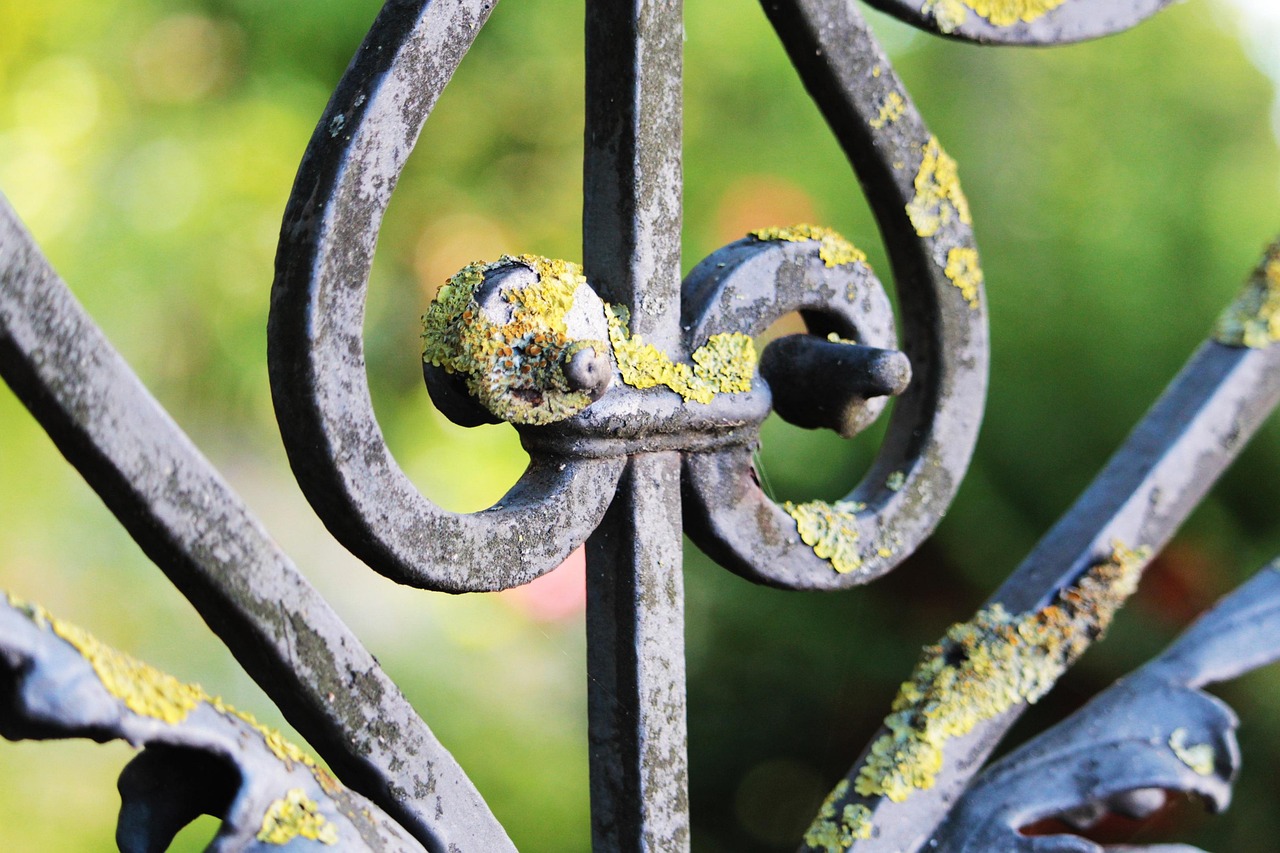
Hinges and rollers last longest when they are greased with the right product at a regular interval, roughly every month on a busy commercial gate and every few months on a lightly used one, and when parts that should stay dry are left alone. The most common mistakes are using the wrong lubricant, over-greasing and skipping the job until a part squeals.
What lubrication does
Metal sliding on metal wears quickly. A thin film of grease or oil keeps the surfaces apart, carries heat away and pushes out water and grit. Without it, a hinge pin grinds against its sleeve, enlarging the gap and letting the leaf drop. A roller that runs dry flat-spots its bearing and starts to drag.
Lubricant also protects against rust. Steel pins and bearings left bare in damp air corrode from the inside out, where nobody can see. A greased pin resists that process for years.
Choosing grease for hot Texas summers
Not all greases behave alike. A light oil that works in a cool shop runs out of a hinge in a hot sun, while a thick grease that works in summer can stiffen on a cold morning. Lithium-based multipurpose grease is a common general choice, and synthetic greases cover a broader temperature range.
For gates near Georgetown, summer surface temperatures on dark steel can climb well above the air temperature, so a high-temperature grease is a sensible pick. Winter freezes are less frequent, but a grease that stays pliable at low temperatures prevents a stiff first swing on a cold morning.
Water resistance counts too. Hinges and rollers near irrigation sprays or low spots see more moisture, and a water-resistant grease clings better. A product labeled for marine or outdoor use usually qualifies.
Parts that need grease
- Hinge pins with a grease fitting
- Roller bearings and wheel axles on sliding gates
- Pivot points on operator arms
- Chain or rack drive, using a product made for that purpose
- Latch pivots and bolt guides, with a light application
Parts to leave dry
Some components should not be greased. The track surface of a rolling gate must stay clean, since grease on the rail collects dirt and turns into a grinding paste. Friction wheels on operators rely on grip, and grease makes them slip. Electrical contacts, sensors and plastic gears are damaged by petroleum products, and some seals swell when the wrong lubricant touches them.
Keypads, locks and cylinders need a dry graphite or a lock-specific lubricant, since oily grease attracts dust and gums up the pins. Reading the manufacturer's notes for each component avoids costly mistakes.
Setting an interval
The right schedule depends on use. A gate that opens a few times a day on a quiet driveway might need grease every three to six months. A yard gate cycling dozens of times a day needs attention monthly or even more often. Dusty or sandy conditions shorten the interval, because grit works into the grease and wears the surfaces faster.
A useful practice is to write the date on a tag attached to the gate or record it in a log. A schedule that lives only in someone's memory will be missed.
- Light use: every three to six months
- Moderate use: every other month
- Heavy use or dusty location: monthly
- After a storm or pressure washing: sooner
How to grease properly
Wipe the fitting clean first, so dirt does not get pushed inside. Attach the grease gun and pump slowly until fresh grease begins to appear at the edge of the joint, then stop. A few strokes are usually enough for a small hinge, and more may be needed for a large bearing.
Wipe away excess. Grease that smears on the outside collects dust and drips onto the pavement. If old grease has turned black and gritty, pumping new grease through pushes the old out, which flushes the joint.
Work the gate through its full swing after greasing to distribute the lubricant, and listen for any remaining squeal.
Over-greasing
More is not better. Too much grease can blow out a seal, fill a cavity that needs air space and attract dirt. Sealed bearings often should not be greased at all, since they are filled at the factory. Pressing a gun onto a sealed unit can rupture the seal and allow dirt in.
If a hinge does not accept grease, that may mean the fitting is blocked, the pin is seized or the part is sealed. Forcing it can damage the part, so a technician should look at it.
Cleaning before lubricating
Old grease mixed with dust becomes an abrasive. When a hinge or roller looks caked, cleaning it with a brush and a degreaser, then applying fresh lubricant, restores smooth movement. Tracks should be swept free of gravel and leaves before any lubrication of the wheels. A quick pass with a stiff broom or a leaf blower takes only a minute.
Signs the schedule is not working
Squeaking, groaning, a gate that feels stiff or an operator that strains more than before all suggest a problem. Rust-colored streaks below a hinge show moisture has entered. Metal shavings in old grease point to wear that grease alone will not fix, and the part needs replacement.
Keeping a modest routine, with the correct product and a record, is one of the cheapest forms of gate care. Anyone responsible for a gate in Georgetown can learn it in an afternoon, and it prevents a large share of the problems that lead to service calls.
Choosing a lubricant that holds up
Oil runs off quickly in summer heat, and a thin film collects dust that turns into grinding paste. A lithium or synthetic grease clings to a pin and keeps working through long hot spells. Sealed bearings in wheels should not be oiled at all, since the seal is the protection, so the first step is always to identify which parts take grease and which are sealed.
A seasonal rhythm
Many fabricators suggest a light service every three months and a fuller one twice a year. Spring work clears pollen and winter grit, and an early autumn visit prepares the gate before cooler weather. After a rare hard freeze, check that no moisture has seized a joint, because ice in a pin barrel can scar the surface the next time the gate swings.
What to write down
A short log pays off. Note the date, which points received grease, and anything that felt rough or sounded wrong. Patterns appear quickly: a roller that needs attention every visit is likely failing, and the log makes that visible before the gate sticks on a busy morning.