Home / Wind Load on Wide Solid Gates
Wind Load on Wide Solid Gates
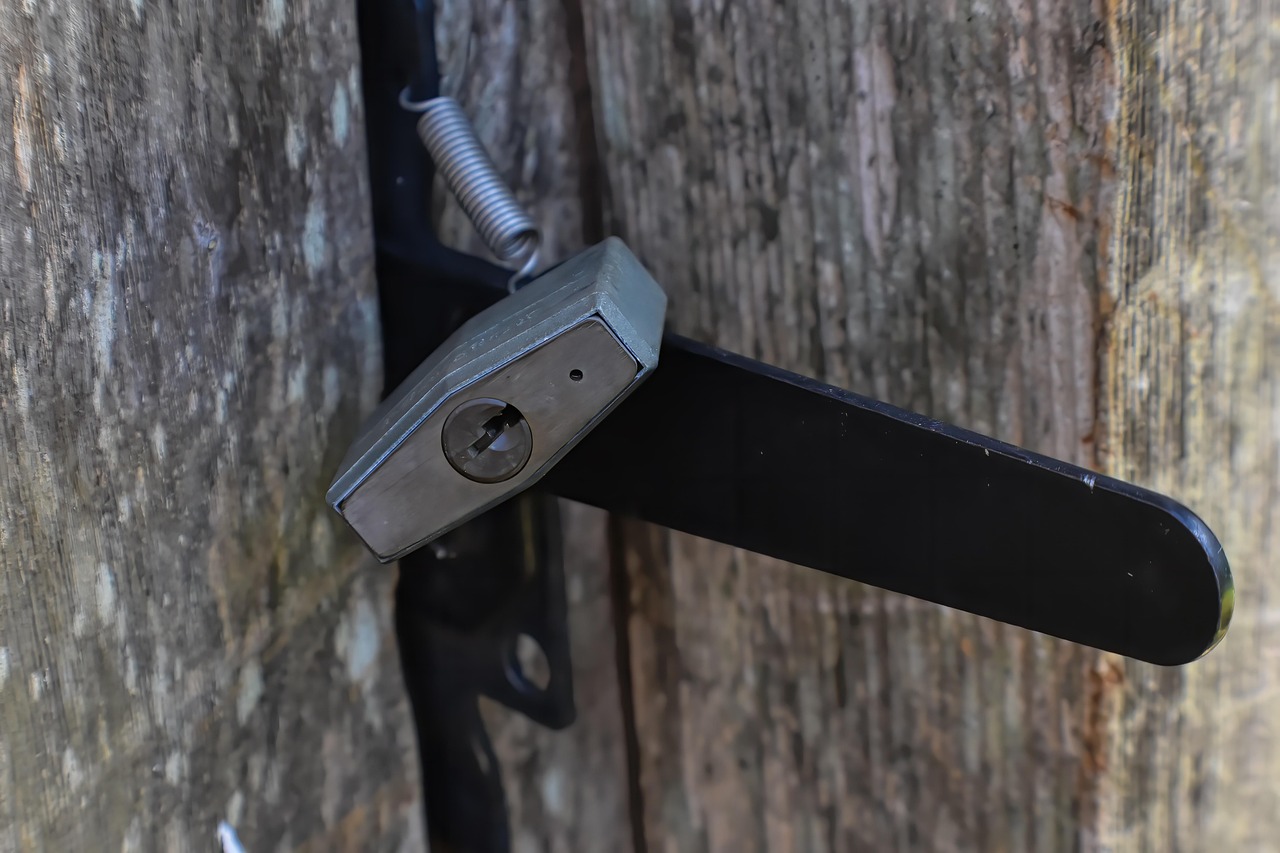
A wide solid gate behaves like a sail, so wind load decides how heavy the frame, how deep the posts and how strong the latch and operator must be. Leaving gaps between slats, adding bracing and choosing a positive hold-open all reduce the risk that a gust will slam, bend or tear the gate off its hinges.
Why a solid panel catches so much wind
Wind pushes against any surface in its path, and the force grows with the area of that surface and with the square of the wind speed. A solid gate that is twelve feet wide and six feet tall presents seventy-two square feet to a gust. A wind that doubles in speed delivers four times the push, which is why a moderate breeze is harmless and a storm front is destructive.
An open picket gate lets most of the air pass through. A solid steel or wood-faced panel blocks it entirely, so the full force lands on the frame, the hinges and the latch. The structure that holds up through a calm summer may fail during the first strong spring squall.
Central Texas weather
Georgetown sees frequent spring thunderstorms with strong straight-line winds, the occasional tornado warning, and gusts that arrive ahead of cold fronts in winter. Open prairie to the east and rolling country around the lake allow wind to build speed with little to slow it. Many neighborhoods built on cleared land have few trees to break the flow.
Corner locations and lots on a ridge catch more wind than a lot sheltered between buildings. A gate on an exposed site deserves a more conservative design than the same gate behind a house.
What the load does to a gate
Pressure on a swing leaf pushes the free end away from the wind and pulls on the hinges and latch. If the gate is closed and latched, the force is shared between the two. If the gate is open, the leaf acts like a flag and snaps back toward its stop, sometimes slamming hard enough to bend the hinge pins.
For a rolling gate, the force pushes the panel sideways against the guides and wheels. If those are weak or worn, the leaf can lift off the track or twist. Cantilever gates with long tail sections catch wind on a larger surface and need substantial carriage hardware.
Repeated gusts also fatigue the metal. A weld that survives one storm may crack after dozens of smaller ones, so fatigue is as important as peak load.
Wind gaps and slatted infill
The simplest way to reduce load is to open the panel. Slats spaced a fraction of an inch to a couple of inches apart let wind pass through, cutting the force considerably while still giving a strong sense of privacy. A louvered pattern, with angled slats, hides the view from the street while still venting air.
Some designs leave a gap at the bottom or between the panel and the frame. Those gaps relieve pressure and reduce the sail effect. The trade-off is a slightly less complete visual screen, which many owners accept.
Frame and bracing
A wide solid leaf needs a stiff frame. A deeper top and bottom rail resists bending when wind pushes on the center. Vertical intermediate members divide a large panel into smaller sections, each of which is easier to support. A diagonal brace resists racking, and a heavy-gauge skin welded continuously to the frame adds further stiffness.
Thicker steel adds weight, which loads hinges and operators. The aim is to find a balance where the frame is stiff enough to resist wind without being so heavy that it sags in calm weather.
Posts and footings
The posts carry the final load to the ground. A wide solid gate transfers a large overturning moment to the hinge post, which tends to rotate in the soil. Deeper and wider concrete footings resist that motion. In clay, seasonal movement can reduce the grip on a post, so footings that extend well below the active layer matter.
Where limestone lies near the surface, posts can be anchored in rock, which gives a very firm hold. Where soil is loose, adding a concrete grade beam between posts ties them together and spreads the load.
Latches, stops and hold-open devices
A flimsy latch will fail first. Heavy-duty latches with thick bars and hardened keepers resist wind pushing on a closed gate. A second point of attachment, such as a drop bolt into the ground, doubles the holding power.
Open-position control is equally important. A drop rod set in a sleeve in the pavement, a spring-loaded catch on a stop post or a magnetic holder keeps an open leaf from swinging in a gust. Never rely on friction or a loose chain to hold a large leaf open.
Operators and wind
An automatic operator has to push against the wind as well as move the gate. In a strong gust, the operator may stall or trip its safety limit. Choosing a unit with ample force and a controller that can detect wind loads helps. Some systems include a wind sensor that holds the gate closed or stops movement when speeds exceed a limit.
The manual release should be tested in windy conditions. A release that works in calm air may be impossible to use when the leaf is straining against a gust.
Practical checklist
- Estimate the area of the solid panel and consider reducing it with slats
- Ask for bracing and stiff top and bottom rails
- Specify deeper footings on exposed sites
- Use a positive hold-open for every swing leaf
- Inspect welds and fasteners after each major storm
Planning for wind during design costs very little compared with repairing a torn-off gate or a damaged post later, and it helps the gate keep working through the storms that arrive every year across Williamson County.
How a solid panel behaves in a gust
A solid gate acts like a sail. Wind pressing on a wide leaf produces a twisting force on the hinge post and a pull on the latch that grows quickly with every extra foot of width. Open pickets let air pass and shed much of that force, so a switch from solid to partly open infill is one of the simplest ways to lighten the load.
Details that help a solid gate cope
Deeper posts, wider footings and heavier hinge straps give the structure margin. A drop rod or a second latch at the top and bottom keeps the free edge from fluttering. Small perforations or louvered sections bleed off pressure without giving up privacy. Closing stops and wind-rated operator settings keep an automatic leaf from being pushed beyond its travel.
Spring storms and open-gate habits
Central Texas storm fronts arrive with sudden gusts, and a gate left standing open in one is the most vulnerable of all, because the free leaf can whip against its stop. Latching a gate back to a post or closing it before a storm protects the frame, the hinges and any vehicle nearby.