Home / Gate Visibility and Security Lighting
Gate Visibility and Security Lighting
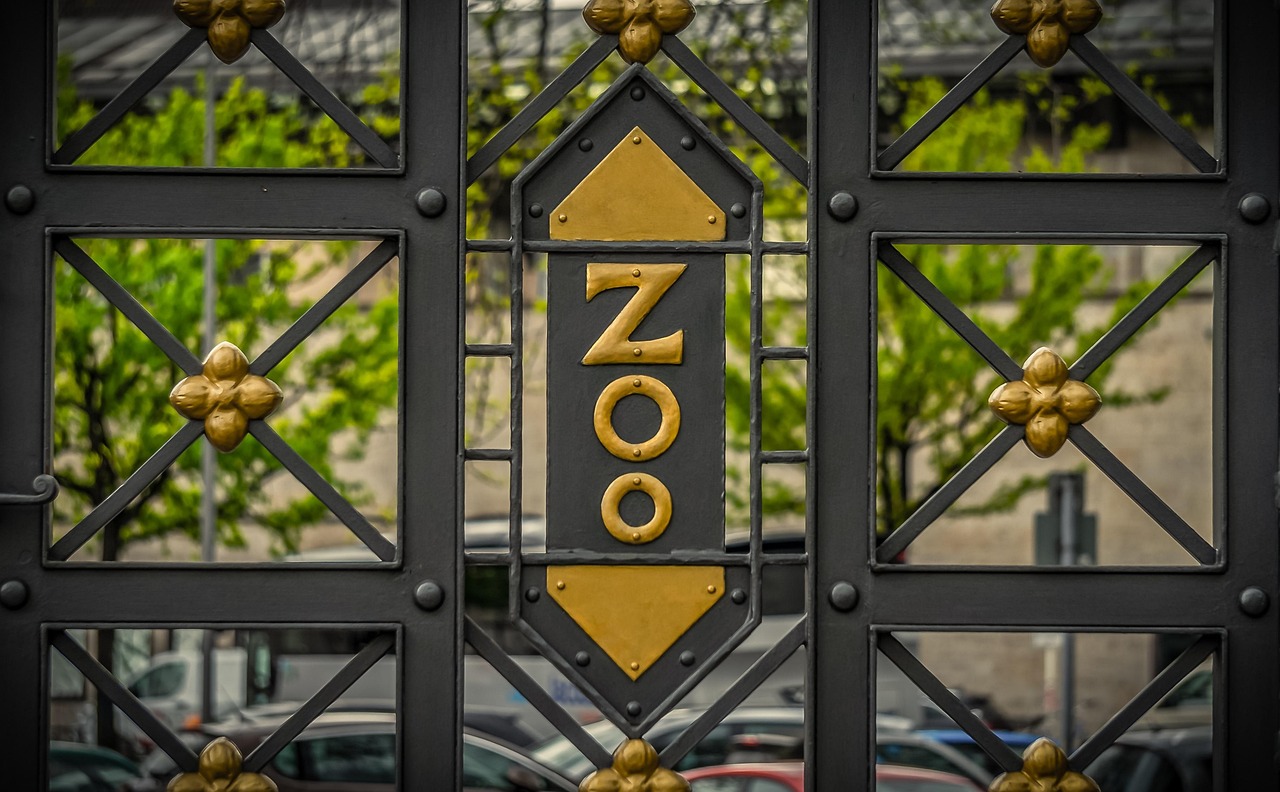
A gate deters trespass best when it can be seen, lit and watched. Open bars that let passers-by see into a yard, light that reveals the entrance without glare, and cameras aimed at the approach work together far better than a tall solid barrier alone. Visibility turns an ordinary gate into a signal that someone is paying attention.
Why seeing and being seen matters
People who intend to break in prefer places where nobody can observe them. A solid gate hides the yard from neighbors and police, but it also hides a person working on the lock. An open design leaves the activity visible from the street, which makes the attempt riskier.
That does not mean every gate should be fully open. Privacy, noise and screening matter too. Many properties settle on a mix: a solid lower panel for modesty and open bars above, or slatted infill that blocks a direct view but still lets light and movement show through.
Sight lines at the entrance
Good visibility begins before the gate itself. Overgrown shrubs, stacked pallets, parked trailers and tall signs can create hiding places near the entrance. Trimming vegetation back from the approach and keeping the area in front of the gate clear gives neighbors and cameras an unobstructed view.
Corners and curves matter as well. A driver pulling out of a gate needs a clear view of oncoming traffic, and a gate that hides pedestrians from drivers raises accident risk. Keeping the opening free of tall fixtures near the road edge helps both security and safety.
Lighting basics
Light does two jobs: it lets people see what they are doing, and it discourages anyone who does not want to be seen. The most useful lighting at a gate is even and low-glare, covering the keypad, the latch and the approach.
Mounting height affects how a light behaves. A bright fixture mounted high and aimed outward can blind a driver or a camera, while a shielded fixture aimed downward lights the ground without spilling across the road. Warm white color feels softer, and cooler white gives crisper detail for cameras.
- Light the keypad or call box so users can read it at night
- Illuminate the latch side, where tampering would happen
- Avoid shining directly into neighbors' windows
- Choose shielded fixtures that point downward
- Use motion-activated lights where constant lighting is unwelcome
Motion lights and timers
Motion-activated fixtures save energy and draw attention when someone approaches. A sudden light often causes an intruder to leave. They work best when placed so a passing car or an animal does not trigger them all night, and when sensors can be adjusted for range and sensitivity.
Timers and photocells suit steady lighting. A photocell turns lights on at dusk and off at dawn without anyone touching a switch. Some sites use a dim steady light combined with a brighter motion-triggered one, so the entrance is never fully dark and never glaring.
Dark-sky friendly choices
Many communities near Georgetown care about the night sky, and Texas Hill Country towns in particular have long supported lighting that reduces glare and sky glow. Fully shielded fixtures, lower brightness and warm color temperatures help. Lights that point down and stay below the horizontal plane do the job at a gate without spilling upward.
That approach also tends to improve security. A shielded light leaves less glare, so a witness can see detail instead of squinting into a bulb, and a camera captures a clearer image.
Cameras and their placement
A camera is a record, and a visible camera is a deterrent. Placement determines usefulness. At a gate, one camera usually watches the approach and another watches the keypad or latch. Mounting height should be high enough to prevent tampering but low enough to capture faces and plates.
Weather is a factor in central Texas. Summer heat can push electronics past their rating, direct sun creates glare in the lens, and a hard freeze can freeze cheap housings. Cameras with weatherproof enclosures and sun shields hold up better.
Signs that cameras are present add to deterrence. A small notice near the entrance tells visitors they may be recorded, which satisfies expectations and helps discourage casual mischief.
Power and backup
Lights and cameras need power. Running wire to a gate in a trench protects it from damage, and low-voltage lines are common near operators. Solar-powered fixtures can work in sunny locations, but they dim after several cloudy days and may not suit a site that depends on full coverage.
A battery backup keeps cameras recording during short outages. Storms and freezes that disrupt the grid in the region make this more than a convenience, since an outage is exactly when an incident is more likely.
Finishes, colors and a visible gate
A visible gate does not need to be showy. A clean, well-kept gate with a clear address number and good lighting signals care. Reflective house numbers help emergency responders find a property quickly, and a number lit at night is easy to read from the street.
Color affects how a gate appears at dusk. Very dark gates disappear into shadow, which can be a problem near a road, while lighter accents or reflective strips make the leaf visible to drivers. A gate that cannot be seen from a moving car is an accident waiting to happen.
Putting the pieces together
A balanced plan starts with clear sight lines, adds even lighting, then places cameras where they see faces, plates and the latch. Each piece strengthens the others. More background on gate planning around Georgetown is gathered at georgetown metal gates journal.
Maintenance finishes the job. Lamps burn out, cameras collect dust and spider webs trigger false alarms, and vegetation regrows. A quarterly walk around the entrance, with a quick look at each fixture, keeps the system doing what it was installed to do.
Reflective details and the approach at dusk
Lighting is not the only way to make a gate noticeable. Reflective tape on the leading edge, a bright finish on the top rail or reflectors on gate posts help drivers see an open or closing leaf in headlights. These small additions cost little and prevent collisions at gates that sit close to a road or a driveway curve.
Signs also belong in the visibility plan. A clear address, a notice about entry procedure and a warning that the gate operates automatically all reduce confusion and accidents. Signs should be lit or reflective so they can be read after dark.
Landscaping that helps instead of hides
Plants near a gate affect both sight lines and security. Low shrubs and ground cover keep the view open, while tall dense hedges can shelter someone at the latch. Thorny species planted beneath a fence line add a natural barrier without blocking the view. Trees should be pruned so their branches stay clear of cameras and lights, since a limb in front of a lens makes a camera useless.