Home / Hinge Types for Heavy Commercial Gates
Hinge Types for Heavy Commercial Gates
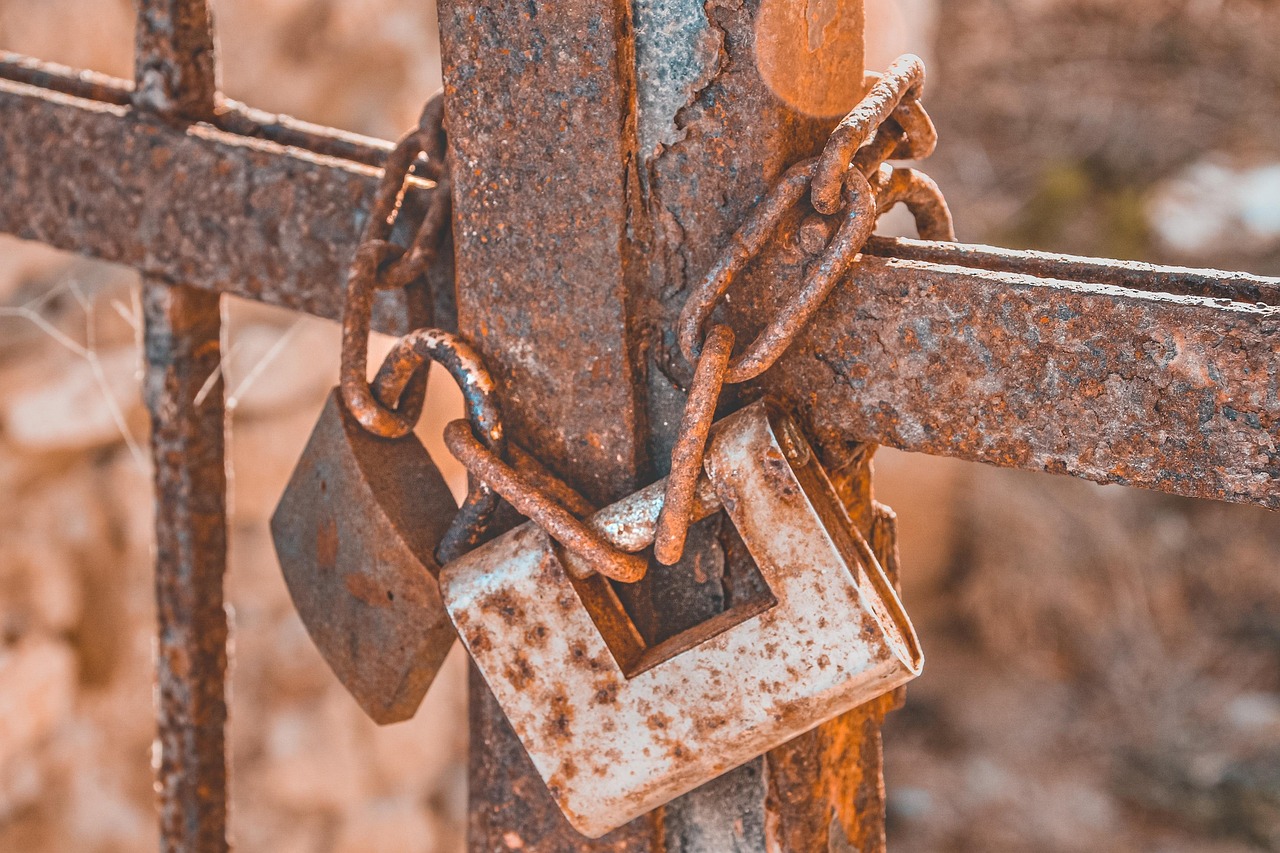
Heavy commercial gates hang best on weld-on barrel hinges or ball bearing hinges, chosen by leaf weight, swing frequency and whether the hinge must be serviced in place. Light bolt-on hinges suit small leaves, while a gate that swings dozens of times a day needs a hinge with a hardened pin, a thrust bearing and a way to add grease.
What a hinge has to survive
Two forces act on a pair of gate hinges. The leaf's weight pushes down on the bottom hinge and tries to pull it away from the post, while the top hinge resists the leaf's tendency to tip outward. A pair of hinges is therefore a small structure, and each one carries a different mix of loads.
On top of that comes motion. Each swing grinds the pin against its sleeve, and dust, sand and moisture work into the gap. A hinge that is adequate on paper can fail early when it sees constant cycling and grit.
Weld-on barrel hinges
A barrel hinge has a cylindrical sleeve that rotates around a pin. One half welds to the gate frame and the other to the post, so the connection is steel to steel. These hinges are simple and strong, and with a thick sleeve and a hardened pin they last a long time.
Weld quality is critical because the whole load passes through the weld. A good installer preheats thick sections, welds around the full leg and finishes without undercut. A hinge welded onto a thin tube wall can tear the wall open, so reinforcing plates are common.
The weakness of a weld-on hinge is replacement. When the pin wears out, the hinge may need to be cut off and rewelded. Designs with removable pins ease that job, since the pin can be driven out and a new one dropped in.
Bolt-on hinges
Bolt-on hinges fasten through a plate with bolts or lag screws. They are quick to install and easy to replace, which suits repair work and gates on wood or masonry posts. Large through-bolts and backing plates can carry substantial loads when the post is solid.
Drawbacks come from the fasteners. Bolts can loosen under vibration, so lock washers or thread-locking compound are worth using. On a hollow steel post, the holes weaken the tube wall unless a sleeve or a backing plate spreads the load. On wood, the fibers around the bolts compress over time and the hinge begins to move.
Ball bearing hinges
A ball bearing hinge places a stack of hardened balls between the two knuckles, so the leaf's weight rides on rolling contact instead of sliding contact. Friction drops sharply, and a heavy leaf swings easily even with a modest operator. The bearings also take a heavy downward load without grinding the knuckle faces.
Sealed bearings keep dirt out, which matters on a dusty lot. Open designs run smoother when new but pick up grit quickly. Because the bearings carry the vertical load, the pin handles mostly sideways forces, which extends its life.
Cost is higher than for a plain barrel hinge, yet for a heavy daily-use leaf the difference tends to pay back in less wear and fewer adjustments.
Greasable hinges
A grease fitting, like those on a truck chassis, lets an installer push fresh lubricant into the pin sleeve. Grease displaces water and grit, and it keeps the surfaces from galling. For gates that swing constantly, a greasable hinge is almost a requirement, since a dry pin wears out quickly.
The fitting must be reachable. A hinge tucked behind a post or covered by a panel will be forgotten. Good designs place fittings on the side where a grease gun fits without removing parts.
Adjustable hinges
Posts move, and leaves settle. A hinge with an adjustable bolt, an eccentric pin or a slotted mount lets the gate be raised, lowered or tilted by a small amount. That adjustment compensates for post lean and restores a latch alignment without cutting steel.
Adjustment range is limited, so it is meant for fine corrections, not for rescuing a badly leaning post. When a gate needs more than a half inch of adjustment, the post deserves attention.
Size, spacing and quantity
Hinge size follows the leaf weight, and spacing follows the leaf height. Hinges set far apart handle the tipping force better than hinges set close together. On tall or heavy leaves, a third hinge in the middle spreads the load and reduces twisting of the frame.
A rule that helps: a hinge pair should be rated for a leaf weight well above the real weight, since impact loads from wind, vehicles and slamming exceed the static load. Buying exactly to the calculated weight leaves no margin.
Materials and finish
Steel hinges should be galvanized or coated, and the pin should be hardened. Stainless steel resists rust in wet places, such as near irrigation or a car wash, though it can gall against itself unless a bushing separates the surfaces. Bronze or polymer bushings reduce wear and quiet the swing.
Heat plays a role in the hot months. Dark steel in direct sun runs hot, and some greases thin out and drip. High-temperature grease sticks where lighter products run.
Picking the right hinge
- Heavy, constant traffic: ball bearing, greasable, weld-on or bolt-through
- Moderate use on masonry or wood posts: through-bolted hinges with backing plates
- Repair or retrofit work: bolt-on, with removable pins where possible
- Wet or corrosive locations: stainless or well-coated hinges with bushings
The hinge is a small part of the gate that decides whether the whole system works for twenty years or twenty months, and giving it proper attention at the design stage is one of the most practical decisions a gate buyer can make.
Inspecting pins, bushings and welds
Wear on a hinge shows first as play. Lift a leaf by its free end and watch the barrel: any visible clunk means the pin or bushing has ovalized. Replacing a bushing early is a small job, while ignoring it lets the pin chew into the barrel and forces a full hinge swap.
Welds deserve a close look as well. Hairline cracks at the root of a hinge strap, often traced by a thin line of rust, signal that the joint has been flexing more than it should. A crack caught at that stage can be ground out and rewelded in the shop, whereas one found after the strap snaps usually means a dropped leaf.
Fit for limestone and clay ground
Hinge posts in Williamson County sit in soil that swells in wet seasons and shrinks in dry ones. A post that shifts even slightly changes the hinge axis, so the two hinges stop lining up and the leaf binds. Adjustable hinges with a slotted or threaded mount let a fabricator realign the axis without cutting anything, which is a real advantage on ground that never stops moving.